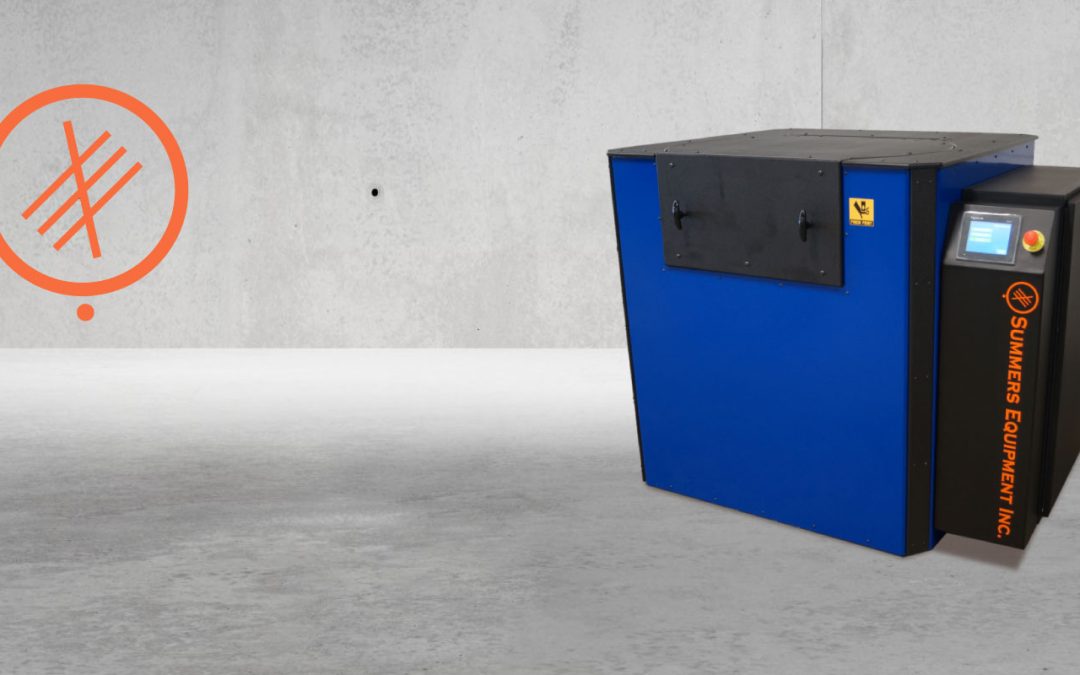
In industries where material consistency, precision, and processing efficiency matter, urethane planetary mixers play a critical role in production. These advanced mixing systems are designed to handle highly viscous materials such as polyurethane compounds, resins, adhesives, sealants, and elastomers while maintaining uniform dispersion and minimizing air entrapment.
A modern industrial planetary mixer for resins is engineered to process complex formulations that traditional agitators or ribbon mixers often struggle to handle. By combining rotational and orbital mixing action, planetary mixers deliver thorough blending even with dense or shear-sensitive materials.
What Is a Urethane Planetary Mixer?
A urethane planetary mixer is a specialized, blade-free industrial mixing machine designed to blend high-viscosity polyurethane components using dual-axis centrifugal force. Unlike traditional mixers that rely on a spinning blade lowered into a container, this technology rotates the entire mixing vessel itself to achieve a flawless, air-free blend inside a pail.
Common Applications for Planetary Mixers
Urethane and resin manufacturers rely on planetary mixers for a wide range of industrial processes, including:
- Polyurethane elastomer production
- Epoxy and resin blending
- Adhesive and sealant manufacturing
- Composite material preparation
- Potting and encapsulation compounds
- Silicone and specialty chemical processing
- High-viscosity coating production
Because these materials often require precise ingredient distribution and controlled shear forces, planetary mixers provide a reliable solution for maintaining product integrity throughout the mixing cycle.
Benefits Compared to Other Mixing Equipment
While ribbon blenders, paddle mixers, and high-speed dispersers each have their place in manufacturing, planetary mixers offer several distinct advantages for urethane and resin processing applications.
Superior Mixing of High-Viscosity Materials
Traditional mixers may struggle when materials become thick or tacky. A planetary mixer continuously moves material from all areas of the vessel, ensuring consistent blending even at high viscosities.
Better Product Consistency
For manufacturers producing engineered compounds or specialty formulations, repeatability is critical. Planetary mixers deliver highly controlled and uniform mixing results batch after batch.
De-Aeration (Vacuum-Like Results)
Urethanes are highly sensitive to moisture and air entrapment. The intense centrifugal force naturally drives air bubbles out of the material, degassing the material while it mixes.
Reduced Material Waste
Efficient blade movement minimizes unmixed material left on vessel walls, helping reduce waste and improve production efficiency.
Flexible Processing Capabilities
An industrial planetary mixer for resins can often process multiple material types within the same facility, making it a versatile investment for manufacturers working with diverse product lines.
Industries Served
Planetary mixing technology supports a wide range of industries that require precision material processing and dependable batch consistency.
Polyurethane Manufacturing
Manufacturers producing cast urethane products, rollers, wheels, gaskets, and elastomeric components depend on planetary mixers to achieve homogeneous material blends.
Aerospace and Composites
Composite manufacturers use planetary mixers for resin systems, carbon fiber prep materials, and lightweight structural compounds where consistency and air removal are essential.
Automotive Manufacturing
Adhesives, sealants, coatings, and vibration-dampening materials used in automotive production often require planetary mixing technology.
Electronics and Electrical
Potting compounds and encapsulation materials used in electronics manufacturing benefit from the degassing capabilities of vacuum planetary systems.
Industrial Chemical Processing
Chemical manufacturers use planetary mixers to process specialty formulations, pastes, and high-performance compounds that require controlled mixing conditions.
Choosing the Right Planetary Mixer
Selecting the right planetary mixer depends on several factors, including material viscosity, batch size, production volume and temperature requirements. Working with an experienced equipment provider helps ensure the system is properly matched to the application.
For manufacturers processing urethanes, epoxies, or specialty resins, investing in a high-quality planetary mixing system can improve product quality, increase operational efficiency, and support long-term production reliability.